
S1 E2-Part 1:
Why Do Enterprises Buy CLM?
Welcome back. In the part 1 of episode 2, we explore why legal and procurement teams purchase CLM. From managing risks to improving deal speed and supplier outcomes, their needs reveal why contracts are becoming a strategic system for the enterprise.
- Last Updated : March 10, 2026
- 5 min
- by Gordon Thompson
What’s Covered in This Episode:
- Why contracts sit at the center of legal and procurement teams
- How legal and procurement teams can evaluate CLM based on their needs
- Why signing contracts can take 60–120 days, delaying revenue and supplier engagement
“We need to start thinking about contracts as the operating system for the enterprise”
Key moments
00:07
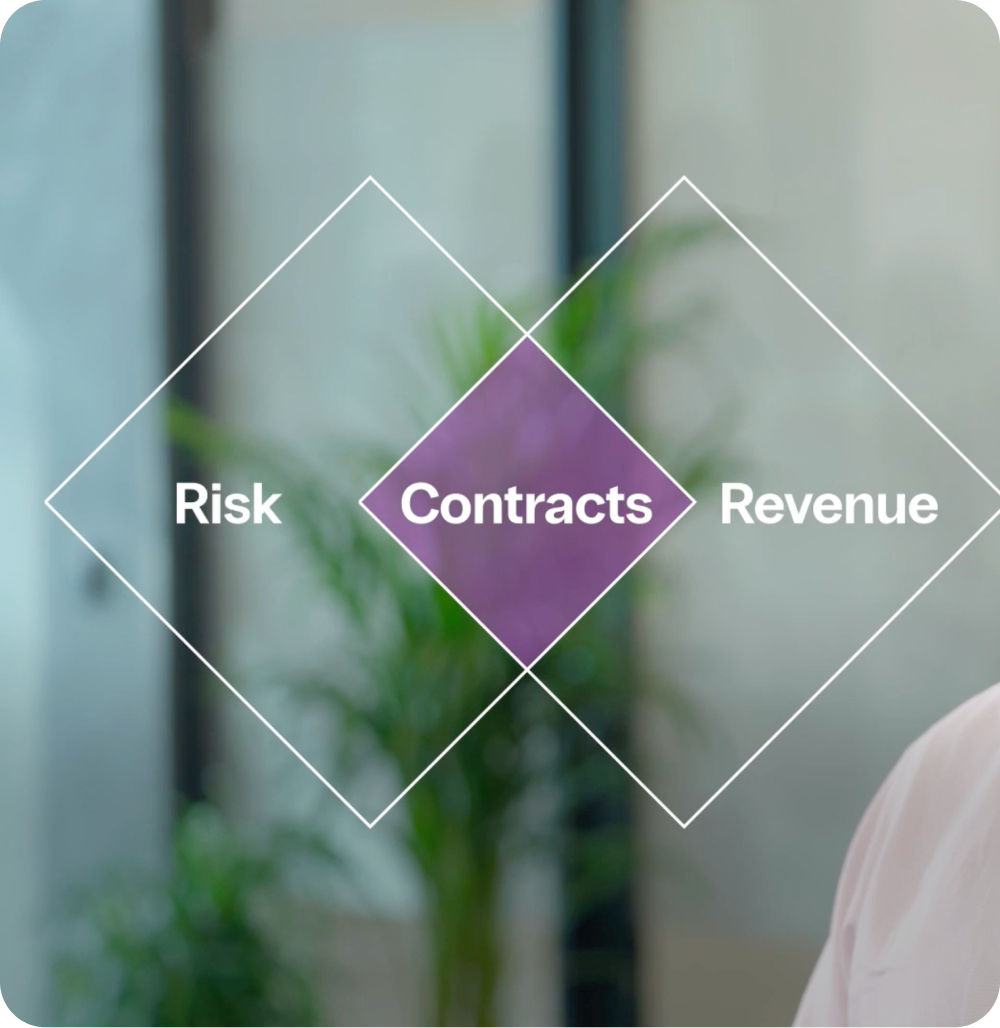
Contracts sit where risk, revenue, and relationships meet
02:24
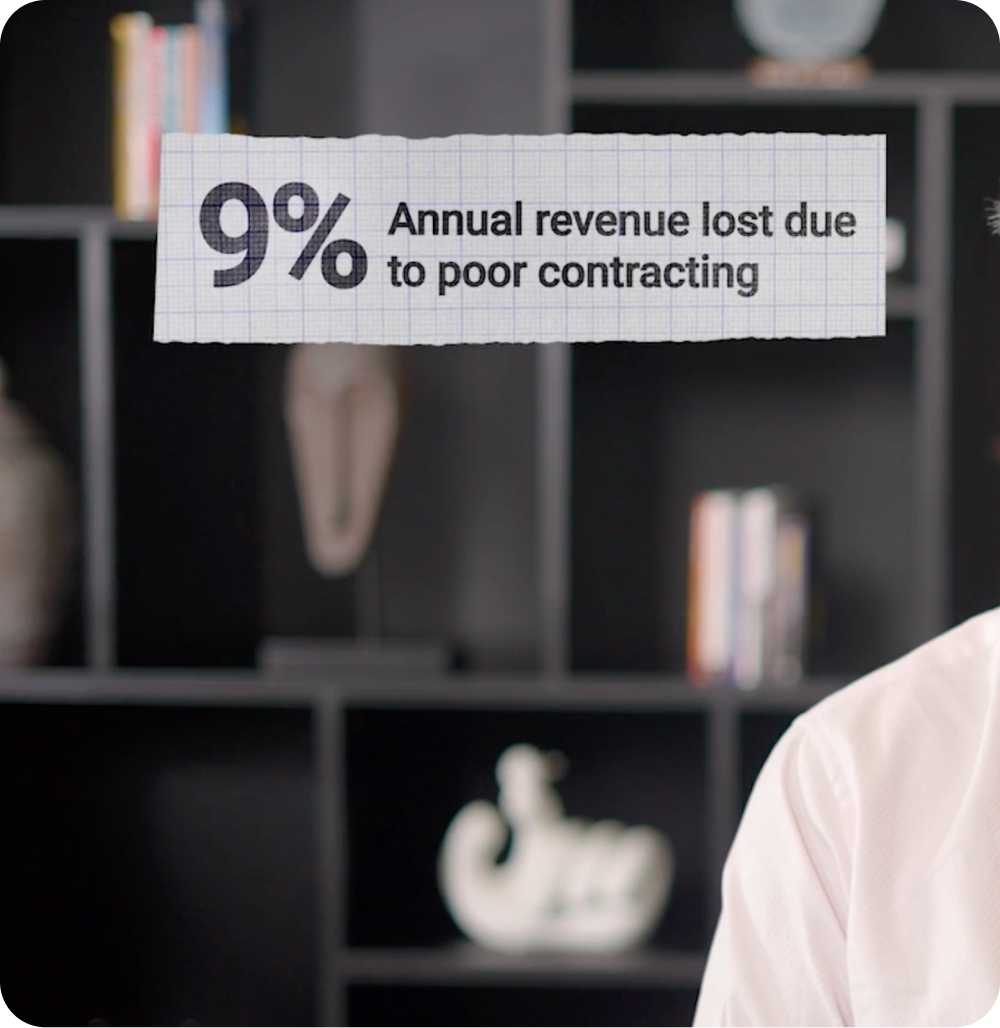
Poor contract management costs companies nearly 9% revenue

03:33
Legal teams now enable business speed, not just risk
03:46
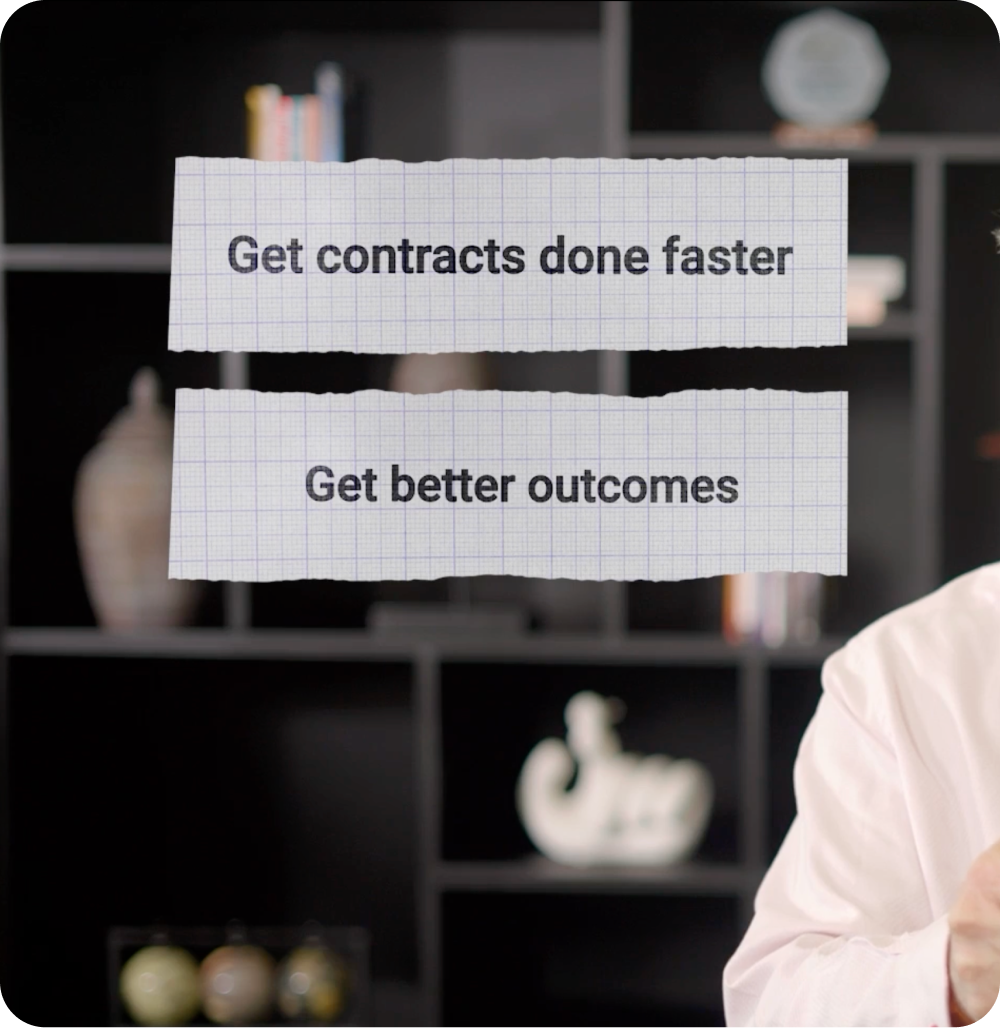
Procurement’s goal is simple: drive better supplier outcomes
Actionable insights
- Enable contracts as an enterprise infrastructure: Every function depends on contracts to answer different business-critical questions. Legal evaluates exposure and compliance, while procurement tracks milestones and commercial commitments. Contracts cannot be managed in isolation without creating enterprise friction.
- Minimize contract fragmentation: According to World CC Report, Contract data is often spread across 24 systems, and poor contract management is estimated to cost companies roughly 9 percent of annual revenue. Further as per our internal assessment 120 days, while portfolio analysis during audits can take months. Individually all these timelines can feel operational, but together they represent systemic drag.
- Legal teams adopt CLM to balance speed and control: CLM helps legal standardize language, enforce playbooks, manage risk, and accelerate contract cycles.
- Procurement teams adopt CLM to drive value from supplier agreements: CLM enables procurement to negotiate better deals, track supplier performance, manage obligations, and reduce revenue leakage.
Read full transcript
Poor contract management costs companies roughly 9% of their annual revenue. That’s huge. Contracts sit at the intersection of risk, revenue, and your relationship between your customers and or your supplier. That’s why we need to start thinking about contracts as the operating system for the enterprise.
Hi, I’m Gordon Thompson. Welcome back to another episode of the CLM Navigator Series.
Today, we’re going to talk about why enterprises buy CLM. Contracts sit at the intersection of risk, revenue, and your relationship between your customers and or your suppliers. Imagine this, when your procurement team needs to know whether or not a supplier has met milestones, they’ll need to look that up in a contract. When your sales team needs to start an expansion conversation, they’ll need to see what they’ve already sold and what’s stated in the contract. When legal needs to see if an existing deal complies with a new regulation, they’ll need to go back and look at the contract. That’s why we need to start thinking about contracts as the operating system for the enterprise.
But the reality is contracts are managed like just any other document in your organization. And that shows up everywhere. So for example, legal spends countless billable hours just trying to find contracts, because on average, contract data is spread across 24 different systems in large enterprises. 24.
Sales and procurement struggle to close deals fast, with some of the contracts taking 60, 90, even 120 days to go through a draft, negotiate, and sign cycle. When regulations change or audits raise red flags, teams are forced into massive search exercises, spending days, weeks, sometimes months figuring out which contracts will be affected and how.
It’s often in these moments that companies purchase CLM software reactively — by a single department to solve an immediate problem — rather than a platform for every team that works with contracts. Individually, these feel like operational efficiencies. Taken together, though, they add up to something much, much bigger. WCC estimates that poor contract management costs companies roughly 9% of their annual revenue. That’s huge.
Now let’s zoom in and understand why different departments purchase CLM.
Legal
First, let’s understand why legal buys CLM. For legal teams, risk is a key motivator, but it’s not the only one. Legal teams are expected to author complex agreements like MSAs, SOWs, using the right language in the past precedents, by enforcing playbooks and ensuring every department geography follows the same standards. They’re also under pressure to shorten time to contract, accelerating reviews, approvals, and execution, while still maintaining consistency and compliance. At the same time, they need to identify and mitigate risk early, spotting missing clauses, deviations, and issues before they turn into problems. Finally, legal is responsible for visibility, helping the business understand exposure to risk, both before contracts are signed and long after they’re executed. In other words, legal isn’t just about managing risk — they’re enabling the business to move faster and with confidence.
Procurement
For procurement teams, the goal is simple. Get contracts done faster. Get better outcomes from them. Procurement teams need to collaborate closely across legal, finance, delivery, and other stakeholders, so deals don’t stall and contract terms actually support how business buys, delivers, and pays. Procurement teams are under constant pressure to negotiate better deals, using historical context on pricing, scope, and past outcomes to improve leverage and drive savings. While at the same time, procurement needs clear visibility into risk, renewals, supplier performance, and delivery obligations across active and past contracts. Critically, procurement is accountable for realizing value after the deal is signed — tracking obligations, service levels, invoices, reducing disputes, and leakage. In other words, procurement isn’t just focused on signing faster — they’re focused on making sure contracts deliver what was negotiated.
S1 E1: What is CLM?
Welcome to the opening episode for the CLM Navigator series. In this episode, we explain what contract lifecycle management is, why it matters in the enterprise, and why a CLM initiative works best when it is approached as one connected platform across the full lifecycle.
Additional Resources
 4 min read
Why Your Deal Cycle Velocity Numbers Are Lying to You

Stop Clicking. Start Asking: The CLM Experience Shift
Frequently Asked Questions
Why do enterprises buy CLM?
Contracts sit at the center of how a business buys, sells, and operates, and when they are fragmented across systems and teams, revenue slows, risk hides, and value leaks. CLM turns contracts into structured, usable enterprise infrastructure.
Is CLM an investment that primarily benefits the legal team?
It’s an investment in enterprise-wide agility. While legal provides the foundational guardrails, the real magic happens when other teams like sales, procurement, finance, and IT use it to accelerate their own goals. It transforms contracts from „legal documents“ into shared tools for growth.
What strategic wins does CLM offer to Procurement?
It’s about total visibility and savings. Procurement teams can proactively manage renewals to negotiate better terms rather than being surprised by auto-renewals.
What is the impact of deploying CLM cross-functionally?
Unlock maximum enterprise value. Instead of just solving a departmental headache, you create a seamless flow of information across the entire organization. A cross-functional CLM turns contracts into a competitive advantage that drives speed, compliance, and profitability for everyone
What is the cost of poor contract management?
Contract data is often spread across 24 systems. Time to contract can stretch to 12 weeks. Portfolio analysis during audits can take months. Research estimates that poor contract management can cost organizations roughly 9 percent of annual revenue. This is measurable business loss.